
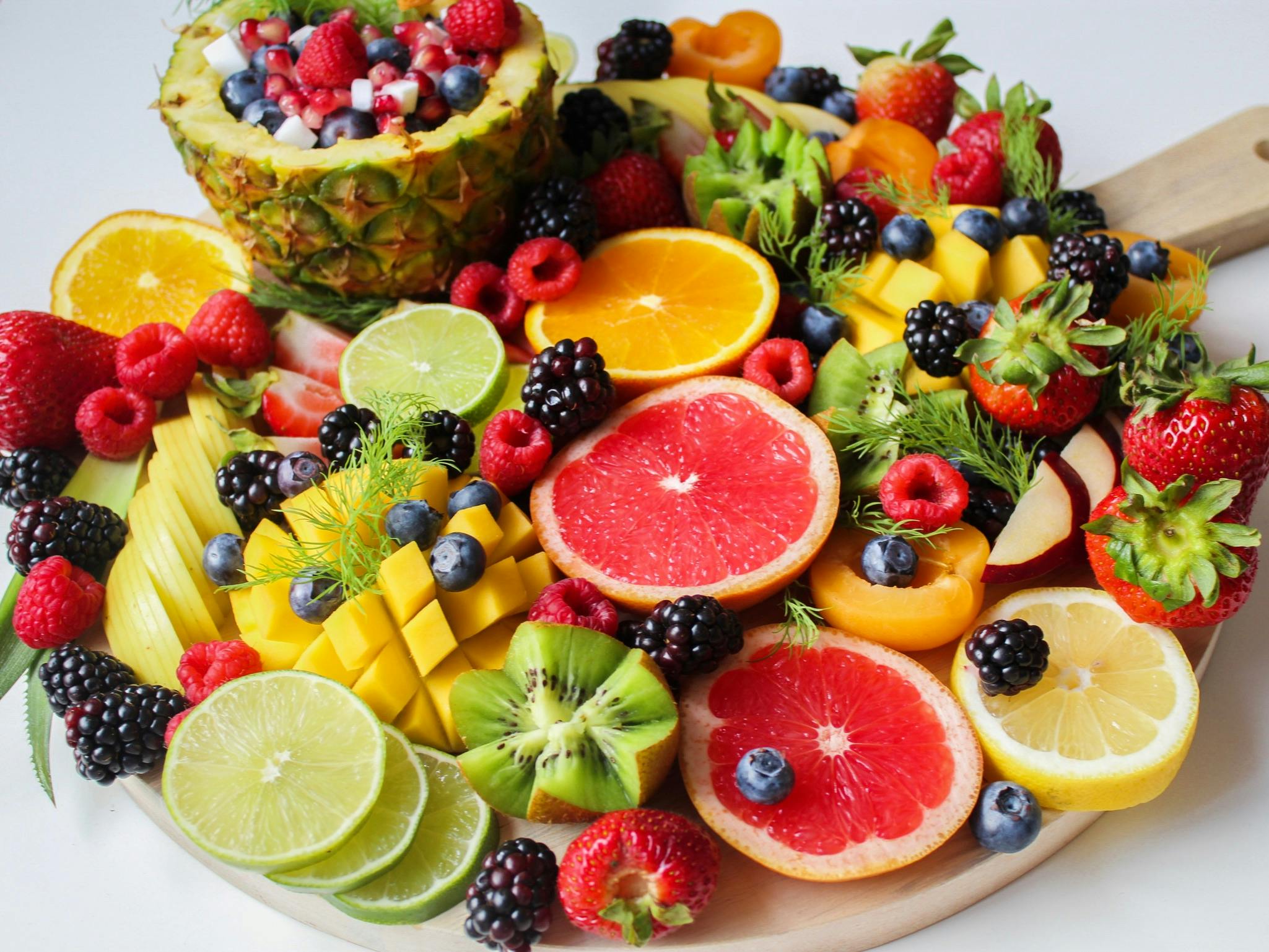
Fruits are one of the most talked-about foods on the internet, and people search for information about fruits more than they realize. From questions like “are fruits healthy” and “what fruits should I eat every day” to more personal searches like “why do I like fruit so much” or “best fruits for energy,” fruits occupy a strange and persistent place in search behavior. Fruits are simple, familiar, and deeply tied to ideas about health, nature, and choice, which makes them an ideal subject for endless guides, lists, and recommendations.
Part of the big deal with fruits is how universally understood they are. Almost everyone has an opinion about fruits, whether it is a favorite fruit, a disliked fruit, or a strong belief about which fruits are healthiest. Apples, bananas, oranges, cherries, berries, and citrus fruits regularly appear in nutrition advice, school lunches, fitness plans, and casual conversations. This familiarity makes fruits easy to search for and easy to engage with, which is why fruit-related content performs so consistently well online. Fruits are low-risk topics that invite curiosity without requiring expertise.
Another reason fruits generate so much interest is their association with health and wellness. People often search for fruits when they are trying to improve their diet, increase energy, boost immunity, or make better food choices. Fruits are commonly discussed in terms of vitamins, antioxidants, fiber, hydration, and natural sugars. Searches like “healthiest fruits,” “fruits with vitamin C,” and “low sugar fruits” reflect how people use fruit content as reassurance that they are doing something good for themselves. Fruits feel like progress, even when the change is small.
Beyond nutrition, fruits also carry psychological and emotional meaning. Liking certain fruits can feel like a reflection of personality, habits, or lifestyle. Some people associate fruits with comfort, others with discipline, and others with indulgence that still feels acceptable. This is why searches such as “what does your favorite fruit say about you” and “why do I crave fruit” continue to appear. Fruits allow people to explore identity in a low-stakes way, which keeps engagement high and bounce rates low on fruit-related pages.
Fruits also benefit from endless variety, which fuels content creation. There are fresh fruits, dried fruits, tropical fruits, seasonal fruits, and exotic fruits, each with their own appeal and search audience. Fruits can be compared, ranked, analyzed, and debated without resolution. Is a banana better than an apple? Are cherries healthier than oranges? Do berries deserve their reputation? These questions have no final answer, which makes fruit content evergreen and repeatable. Search engines favor topics that never truly conclude, and fruits fit that pattern perfectly.
Another reason fruits dominate online content is their visual and cultural appeal. Fruits are colorful, recognizable, and easy to photograph or illustrate. They appear in advertising, art, branding, and symbolism, which reinforces their presence across different types of websites. Fruits show up in recipes, fitness blogs, parenting sites, and even productivity advice. This cross-category relevance helps fruit-related pages attract diverse traffic sources and remain discoverable over time.
In the end, the big deal with fruits is not just about eating them. Fruits represent choice, simplicity, health, and curiosity all at once. They are accessible enough for everyone to have an opinion and flexible enough to support endless discussion. Whether someone is searching for fruit guides, nutrition facts, personality insights, or just reassurance that liking a certain fruit is normal, fruits continue to deliver exactly what the internet rewards: attention, engagement, and continued scrolling.
If you are still reading this article, you are already participating in the same behavior that makes fruit content work so well. You started with a simple question about fruits, and now you are deeper than you expected. That is the real big deal with fruits, and it is why they are not going anywhere anytime soon.
Leave a Reply