
Digital Shadows & Physical Surveillance: Unmasking Trackers and Navigating Evolving Privacy Threats
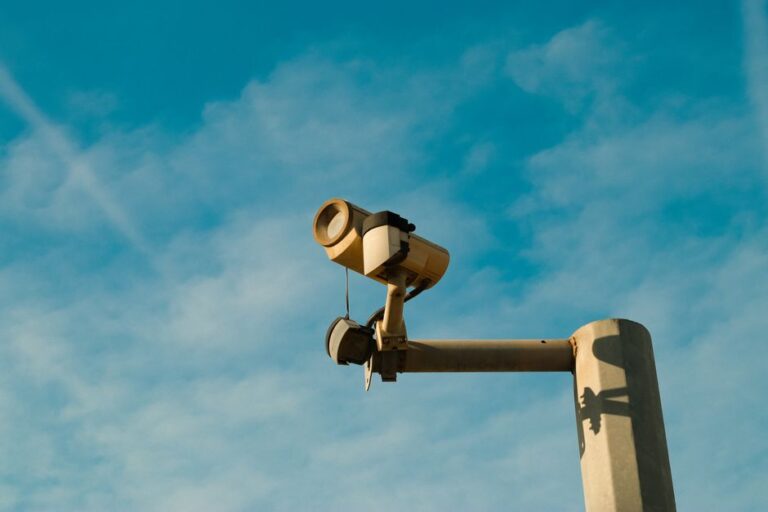
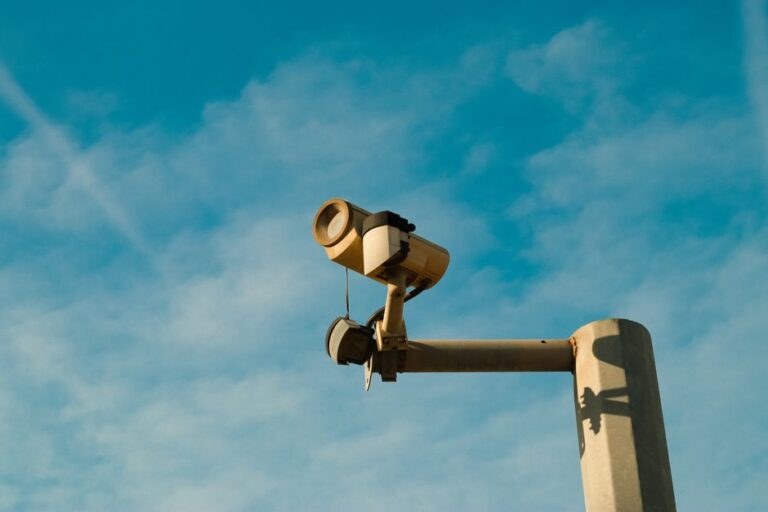
Featured image: Photo by Jan van der Wolf on Pexels.
In an increasingly interconnected world, the boundaries between our digital lives and physical existence are blurring, creating an expansive landscape where personal privacy is constantly challenged. From the websites we browse to the streets we traverse, an intricate web of surveillance technologies is at work, often without our explicit knowledge or consent. Understanding these pervasive tracking mechanisms—both online and in the real world—is the first step in safeguarding our personal information and navigating the evolving threats to our autonomy.
Unmasking the Digital Shadows: Online Trackers and Adtech
Every click, every search, every app opened leaves a digital footprint that is eagerly collected and analyzed. The advertising technology (adtech) industry thrives on this data, creating detailed profiles of individuals to deliver targeted advertisements. While seemingly benign, this constant monitoring raises significant privacy concerns, as vast amounts of personal information are harvested from websites and mobile applications daily. It can be a daunting task to pinpoint exactly who is responsible for the ads we see or the data being collected from our devices.
Traditionally, much of this information has been walled away, accessible only to large advertising platforms. However, new tools are emerging to empower individuals. For instance, a powerful and free service called DecryptAds has been developed to scrape and correlate this adtech data, making it simpler for users to learn a great deal about the entities tracking them online [1]. Services like this demystify the complex world of digital tracking, revealing the hidden networks that collect our data. Understanding who these trackers are and what data they collect is crucial for making informed decisions about our online privacy and for taking steps to mitigate unwanted surveillance.
The data collected can include browsing habits, location information, purchase history, and even demographic details inferred from our activities. This mosaic of information paints a comprehensive picture of our lives, which can be bought, sold, and used in ways we might never anticipate. The sheer volume and granularity of this data mean that our digital shadows are becoming increasingly detailed and permanent, making it harder to truly disappear or maintain anonymity online.
The Pervasiveness of Physical Surveillance: Automated License Plate Readers
Beyond the digital realm, our physical movements are also subject to increasing scrutiny. One of the most widespread and contentious forms of physical surveillance is the use of Automated License Plate Readers (ALPRs). These devices, often mounted on police cars, streetlights, or highway overpasses, continuously scan and record license plate numbers, along with the date, time, and location. This data is then stored, often for extended periods, creating detailed records of where vehicles—and by extension, their occupants—have traveled.
Companies like Flock Safety have become prominent vendors of this mass surveillance technology, deploying ALPRs in countless towns and cities across the nation. While proponents argue that ALPRs are invaluable tools for law enforcement, helping to solve crimes and recover stolen vehicles, privacy advocates highlight the profound implications of indiscriminately tracking millions of innocent people. The concern isn’t just about active investigations, but about the creation of vast, searchable databases that can be accessed for “fishing expeditions” or used to retroactively trace movements without a warrant or specific suspicion.
The fundamental issue with ALPRs lies in their capacity for mass surveillance: they track everyone, all the time, regardless of whether they are suspected of any wrongdoing. This creates a chilling effect on public life and raises serious questions about the Fourth Amendment right to privacy. The default retention periods for this data, often 30 days or longer, mean that a detailed history of a person’s movements can be compiled and analyzed, potentially revealing sensitive information about their associations, habits, and personal life.
Flock Safety’s “Reforms” and the Call for Legislative Action
Facing significant public backlash and a growing “DeFlock” movement, Flock Safety has introduced a series of reforms intended to address some of the widespread anger concerning their technology [2]. These changes include a new default optional 7-day retention period for ALPR data, a reduction from their original default of 30 days. This means that if police want to retain data beyond seven days, it would need to be associated with an active investigation and require accessing an “Evidence Mode.”
Other reforms include offense filtering, allowing cities to restrict access to ALPR data by other departments based on the type of crime being investigated (e.g., murder or robbery but not immigration-related investigations). Flock also claims to have beefed up its audit features, proactively locking out officers who file suspicious data requests [2]. Garrett Langley, Flock’s CEO, has even shifted his tone, acknowledging the problems of dangerous surveillance and mission creep, and agreeing with groups like the ACLU and EFF that police should need an active case number to search Flock’s data.
However, privacy advocates argue that these reforms, while a step in the right direction, are largely insufficient and fail to address the fundamental dangers of the technology. The core problem remains: ALPR systems create an abusable mass surveillance system that tracks all cars all the time. Moreover, these are company-imposed reforms, meaning Flock could easily reverse course if their law enforcement customers decided to defect to another vendor. The Electronic Frontier Foundation (EFF) emphasizes that “we should not be letting companies decide how much privacy we deserve” [2]. Instead, they argue, lawmakers need to step up and pass laws that restrict police use of surveillance technology, ensuring that privacy is protected by law, not by corporate policy. The ideal scenario, according to privacy groups, is that police should, at a minimum, obtain a warrant signed by a judge to search for historic ALPR data [2].
Beyond ALPRs: The Next Frontier of Physical Surveillance
Even as the debate over ALPRs continues, new and potentially more invasive surveillance technologies are on the horizon. A new technology known as SignalTrace is emerging, designed to link license plate data with information from nearby mobile phones [3]. This represents a significant escalation in surveillance capabilities, moving beyond merely tracking vehicles to potentially identifying and tracking individuals based on their digital devices in conjunction with their movements.
The implications of SignalTrace are profound. If a system can correlate a vehicle’s location with the unique identifiers of nearby phones, it creates an unprecedented ability to connect physical presence with individual digital identities. While proponents might argue its utility in crime investigations, the privacy implications are staggering. This technology could allow for the creation of incredibly detailed personal profiles, intertwining a person’s travel history, digital communications, and social connections in ways that were previously unimaginable for mass surveillance. This could be seen as another “death knell for privacy,” pushing the boundaries of what is considered acceptable surveillance far beyond current comfort levels [3].
The development of such integrated surveillance systems highlights a critical trend: the convergence of digital and physical tracking. As these technologies become more sophisticated and interconnected, the ability for individuals to maintain any semblance of privacy in their daily lives diminishes. It underscores the urgent need for robust legal frameworks and public discourse to address these advancements before they become ubiquitous and irreversible.
Navigating Evolving Privacy Threats
The dual threat of pervasive digital and physical surveillance demands a multi-faceted approach to privacy protection. Individually, understanding the mechanisms of tracking—from adtech companies online to ALPRs and emerging technologies like SignalTrace in the physical world—is paramount. Utilizing tools that unmask digital trackers, being mindful of app permissions, and understanding how our physical movements are logged are essential first steps.
However, individual action alone is insufficient to counteract the systemic nature of these threats. The onus must also be on policymakers and legislators to establish clear, enforceable laws that protect privacy as a fundamental right. Relying on companies to self-regulate, as seen with Flock Safety’s reforms, often results in compromises that prioritize business interests over individual liberties. Stronger legal mandates requiring warrants for historical surveillance data, limiting data retention periods, and prohibiting the linkage of disparate data sets without explicit consent are crucial. Without proactive legislative intervention, the relentless march of surveillance technology will continue to erode the very notion of personal privacy, leaving individuals exposed to an ever-expanding web of digital shadows and physical scrutiny.
Key Takeaways
- Digital tracking by adtech companies uses data from websites and apps to build detailed profiles. Tools like DecryptAds can help identify these trackers.
- Automated License Plate Readers (ALPRs) provide mass physical surveillance, logging vehicle movements and creating extensive data histories.
- Flock Safety’s ALPR reforms, such as a 7-day data retention default, are criticized as insufficient and subject to reversal by company policy.
- Privacy advocates argue that companies should not dictate privacy; robust legislative action is needed to restrict surveillance technology use.
- Emerging technologies like SignalTrace, which link license plates with phone data, represent a new and significant threat to personal privacy.
- Protecting privacy requires both individual awareness and strong legal frameworks to govern the convergence of digital and physical surveillance.
Sources
- [1] Who’s Tracking You? Use This New Service to Find Out (krebsonsecurity.com)
- [2] Too Little, Too Late: Flock Admits Their Technology Needs Reforms (www.eff.org)
- [3] Think Flock is bad? This new tech is coming to link license plates with your phone — and it could be another death knell for privacy (www.techradar.com)
StealthAnon is a news and analysis site covering cybersecurity, privacy, web analytics, anonymity, and tech tools.